

Source: Canva / Civic Media

Dec 22, 2025, 8:56 PM CT


Share
The winter in Wisconsin seems to be swinging wildly between snowstorms and springlike warmth. And now health experts say the real danger this season may be how quickly people are letting their guard down.
Dr. Chris Crnich is an infectious disease physician and professor at the University of Wisconsin School of Medicine and Public Health. He says it’s important to stay vigilant around your health during what’s already an unpredictable winter.
“People are tired,” Crnich says. “There’s vaccine fatigue, there’s pandemic fatigue. But viruses don’t get tired.”
Crnich says fluctuating temperatures can make it harder for people to recognize when they’re getting sick. One day calls for a winter coat, while the next feels warm enough for shorts. Those rapid changes can stress the body while respiratory viruses quietly spread.
For those feeling under the weather ahead of holiday travel or family gatherings: staying home is sometimes the most caring choice.
Dr. Chris Crnich, UW Infectious Disease Physician
And Crnich says the concern is currently compounded by a troubling shift in behavior since the height of the COVID-19 pandemic. Many people are dismissing symptoms that once would have prompted caution.
“There’s this idea of, ‘Well, it’s not COVID, so I’m fine,’” Crnich explains. “And then people go to work, they go to gatherings, they tough it out and that’s how illness spreads.”
Listen to an interview with Dr. Crnich, starting at the halfway mark, here:
No episode found
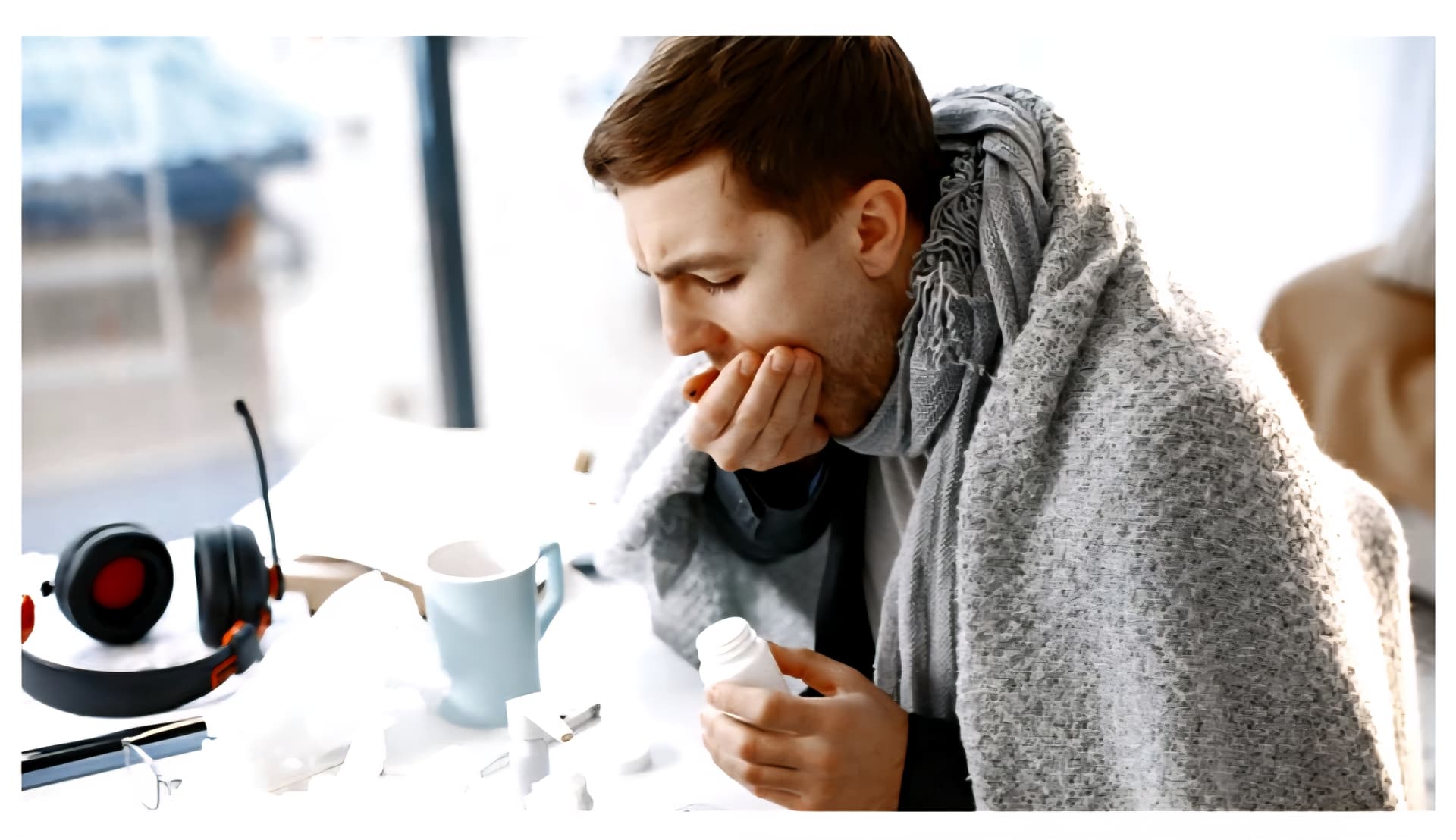
He is urging people to pay attention to warning signs like fever, worsening cough, shortness of breath, fatigue, or symptoms that linger longer than expected. Those are signals to test, stay home, or talk with a doctor – not to power through.
Vaccination remains one of the most effective tools, Crnich says, but Wisconsin’s uptake is lagging. According to state data, flu vaccination rates remain low across much of the state, including major population centers like Milwaukee and Dane County.
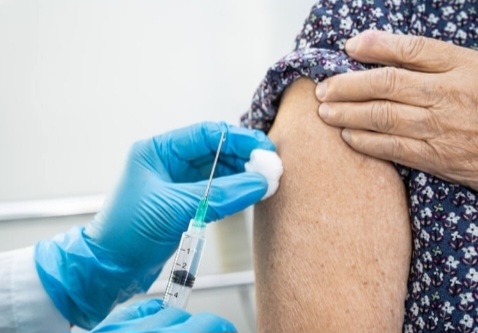
Crnich also addresses growing questions around RSV, a respiratory virus that can be especially dangerous for older adults and people with underlying conditions. RSV has received more attention in recent years, but Crnich stresses that it’s not a political issue. This is a public health one.
“The most important thing is having a conversation with someone you trust. Your doctor, your provider. Find out what’s right for you,” he says.
Crnich also had a clear message for those feeling under the weather ahead of holiday travel or family gatherings: staying home is sometimes the most caring choice.
“It’s not about ruining Christmas,” he shares. “It’s about protecting the people you love.”
And while winter will continue to deliver surprises, Crnich says the basics still matter – vaccinations, hydration, rest, and listening to your body. The tools to stay healthy are well known. The challenge, he says, is remembering to use them.
“Being cautious isn’t fear,” Crnich says. “It’s a responsibility.”

Teri Barr is Civic Media’s Content Creator and a legend in Wisconsin broadcast journalism. Email her at teri.barr@civicmedia.us.
Want More Local News?

Civic Media
Civic Media Inc.
The Civic Media App
Put us in your pocket.


